Case study
Elevatech Connection Compass
A live conference product built to help people find the conversations worth having, without turning attendee data into the product.
Evidence status: confirmedDisclosure: Named
- Role
- Speaker and builder
- Timeframe
- August 2026
- Sector
- Conference and live product
- Capabilities
- Live product build · On-device matching · Responsible AI · Public speaking · Cloudflare Workers
- Evidence
- confirmed
- Disclosure
- named
System view
Architecture and relationships
Diagram not yet published
A publishable system diagram is not yet available. The case study describes the architecture and organisational relationships without exposing client detail.
Decision records
The choices that shaped the work
Decision 01
Keep matching on-device
- Alternatives
- Send attendee profiles to a server-side matching service; curate matches manually from a spreadsheet; or build a local-first experience that performs the matching on the device.
- Chosen
- Keep the matching step on the device and treat the server as a delivery layer, not a store of attendee profiles.
- Why
- A conference matching tool asks people to describe what they care about. That is sensitive enough to deserve the smallest possible data footprint, and local matching made the privacy story simple enough to explain on stage.
What would change my mind
An attendee scale or matching model that genuinely exceeded what a device could do, with a privacy and retention design that made the server-side trade-off worthwhile.
Context
Conferences produce a strange kind of abundance. There are more sessions than anyone can attend, more people than anyone can meet, and a programme that assumes the value happens automatically. The useful conversations are usually the ones nobody scheduled.
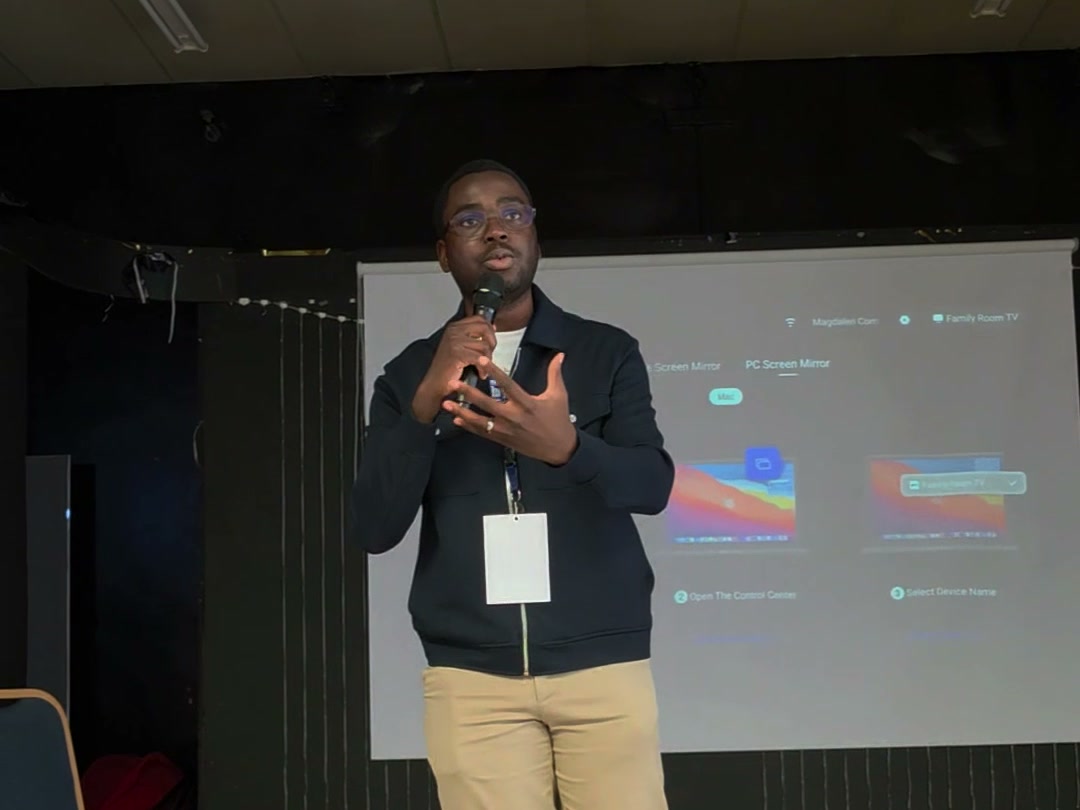
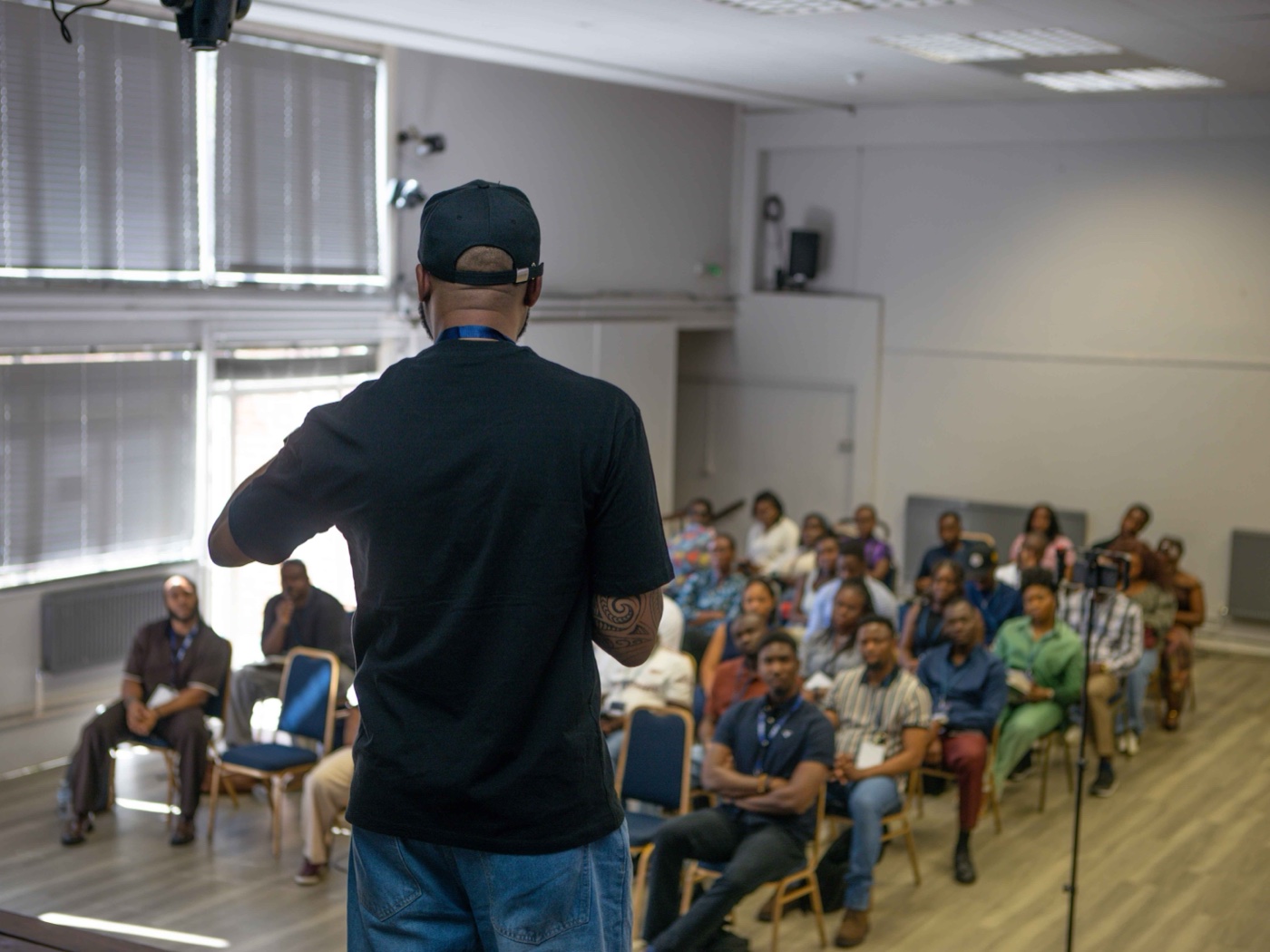
Elevatech Summit London 2026 had 16 speakers and 14 sessions. I was speaking in a 30-minute breakout called Artificial Intelligence (AI) for Professionals. The session needed to be useful to people who were already tired of AI talk.
So I built the thing I wanted to talk about.
Challenge
The product had to work during the event, not after it. It had to help an attendee describe what they cared about and get a small number of useful matches without creating an account, installing an app, or handing a profile to a server.
The constraints were real: a live audience, a short build window, a conference network, and a product that had to be understandable in a demonstration. A matching model that needed a long explanation would fail the session even if it worked.
The privacy question was also part of the product. A conference profile can reveal interests, seniority and intent. The safest data is the data you do not collect.
My role
I was the speaker and builder. I designed and built the Connection Compass, prepared the session, and demonstrated the product live. The work covered the product idea, the interface, the matching approach and the deployment.
It was a small product with a short life, which made it a useful test of a larger claim: responsible AI is often a set of ordinary product decisions made early, not a separate layer added at the end.
How it fits together
The Connection Compass is a web experience deployed on Cloudflare Workers. An attendee describes what they want to find at the event. The matching step runs on the device, so the product does not need a server-side profile to produce a match.
The live app is at elevatech-compass.kriz2phorus.workers.dev. It is a live build from the event, not a polished SaaS product. That is the point of putting it in the Lab.
The trade-offs
The decision record accompanying this case study is keep matching on-device. It was the decision that made the rest of the product coherent.
A server-side matcher would have been easier to iterate on and easier to explain to a room of engineers. It would also have created a profile store, a retention question and a security surface that the product did not need. Local matching kept the promise short: your description stays with you.
The trade-off is real. On-device matching limits the model size, the data you can use and the sophistication of the ranking. For a conference with a few hundred people, that was the right constraint. For a different scale, it would not be.
Trust and failure
The product was designed to avoid collecting attendee profiles on a server. That is a meaningful choice, but it is not a complete security story. The device, the browser and the network still matter.
The bigger failure mode was relevance. A matching product that returns plausible but useless matches is worse than no product, because it asks people to spend attention on it. The session made the limitation visible: the tool is a prompt for a conversation, not an authority on who someone should meet.
Delivery
The product was built and demonstrated during the session at Elevatech Summit London on 8 August 2026, 14:45–15:15. The live URL was available to the audience.
The delivery constraint was the event itself. There was no long beta, no enterprise rollout and no support team. The product had to be honest about what it was and useful in the room.
Evidence
- 16 speakers and 14 sessions at Elevatech Summit London 2026.
- A live product at elevatech-compass.kriz2phorus.workers.dev.
- On-device matching, with no server-side attendee profile required to produce a match.
- Delivered as a 30-minute breakout on AI for professionals.
Reflection
The most useful part of building a live product is that it removes the space for abstraction. The product either helped someone find a conversation or it did not.
What did not work
The first version asked for too much context before it gave anything back. A conference user has a low tolerance for onboarding, and the product had to earn the next question. I would shorten the input and make the first match useful sooner.
I would also test the experience under the network conditions of a live venue earlier. The product was designed for a phone in a room full of people, not for a quiet desk.
Related proof
Photographs
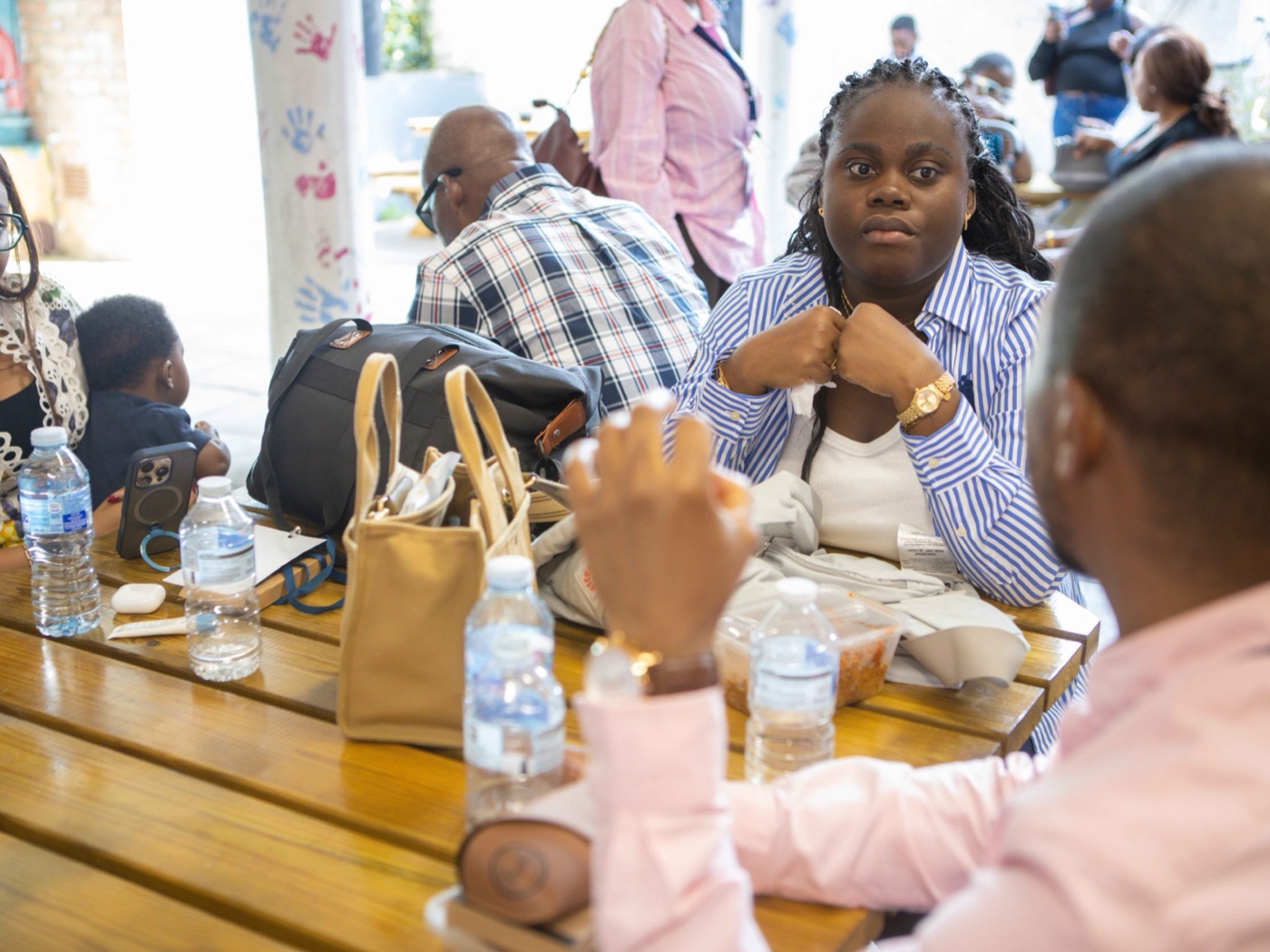
The room the product had to work in
Evidence plate
Evidence visual not yet published
Evidence in this case study is drawn from approved programme records. Figures are attributed to their source and are not recombined into new claims.